Frequently Asked Questions
How much does pediatric dentistry cost?
The cost of pediatric dentistry can vary based on the specific services needed, insurance coverage, and location. Common procedures like exams, cleanings, fillings, and extractions may range from $50 to $300 per visit. Sedation or specialized treatments can increase costs. Contact us for personalized pricing information.
When should a child visit a pediatric dentist?
Children should visit a pediatric dentist by their first birthday or within six months after their first tooth erupts. Regular dental check-ups every six months are recommended to monitor oral health and address any issues early on.
Why is pediatric dentistry important?
Pediatric dentistry is crucial for children's oral health as it focuses on specialized care tailored to their unique needs. Early dental visits establish good habits, prevent dental issues, and ensure proper development, setting the foundation for a lifetime of healthy smiles. Regular check-ups and treatments in a kid-friendly environment create positive dental experiences, promoting overall well-being.
How long does a pediatric dentist go to school?
Pediatric dentists typically complete 4 years of dental school to earn a Doctor of Dental Surgery (DDS) or Doctor of Dental Medicine (DMD) degree. After dental school, they undergo an additional 2-3 years of specialized training in pediatric dentistry through a residency program.
At what age should you start pediatric dentistry?
Pediatric dentistry should start as soon as the child's first tooth erupts, typically around six months of age. It is recommended to schedule the first dental visit by the child's first birthday to establish good oral health habits early on and prevent dental issues. Regular dental check-ups are crucial for maintaining optimal oral health throughout childhood.
Are pediatric dentists more expensive?
Pediatric dentists may not necessarily be more expensive than general dentists. Costs can vary based on location, services provided, and insurance coverage. However, pediatric dentists often offer specialized care tailored to children's needs, promoting better oral health outcomes in the long run.
Can pediatric dentists treat adults?
Pediatric dentists typically focus on treating children, from infants to young adults. While they specialize in pediatric care, some may also provide dental services to adults, depending on their training and expertise. It's best to inquire with the specific pediatric dentist about their ability to treat adults.
Do pediatric dentists perform surgeries?
Yes, pediatric dentists can perform surgeries such as laser frenectomy, root canals, tooth extractions, and hospital dentistry. They are trained to provide a range of dental treatments for children, ensuring their comfort and well-being during procedures.
Is pediatric dentistry a specialty field?
Yes, pediatric dentistry is a specialty field focused on providing dental care to infants, children, and adolescents. Pediatric dentists undergo additional training to address the unique oral health needs of young patients, emphasizing preventive care, behavior management, and treatment tailored to children's development.
How to find a good pediatric dentist?
To find a good pediatric dentist, consider asking for recommendations from family and friends, checking online reviews, ensuring the dentist specializes in pediatric care, verifying their credentials, evaluating the office atmosphere, and assessing their approach to child comfort and care.
How do pediatric dentists manage fearful children?
Pediatric dentists manage fearful children by creating a warm, kid-friendly atmosphere, offering in-office sedation dentistry for comfort, using advanced technology like laser frenectomy, and providing gentle care during procedures such as cleanings, fillings, and extractions. They prioritize patient comfort and well-being to ensure a positive dental experience.
What distinguishes pediatric dentistry from general dentistry?
Pediatric dentistry focuses on the oral health of children from infancy through adolescence, including those with special needs. It involves specialized training in child psychology, growth, and development, making the dental experience positive and comfortable for young patients. Treatment methods and techniques are tailored to suit children's unique needs and ensure their oral health for a lifetime.
When to take your toddler to a pediatric dentist for the first time?
It is recommended to take your toddler to a pediatric dentist for the first time by their first birthday or within six months after their first tooth erupts. Early dental visits help establish good oral hygiene habits and monitor dental development.
How frequently should a pediatric dental check-up be scheduled?
Pediatric dental check-ups should be scheduled every six months to maintain optimal oral health for children. Regular visits help prevent dental issues and allow for early detection and treatment if needed. It's essential for parents to prioritize these routine appointments for their child's well-being.
Do pediatric dentists provide orthodontic care?
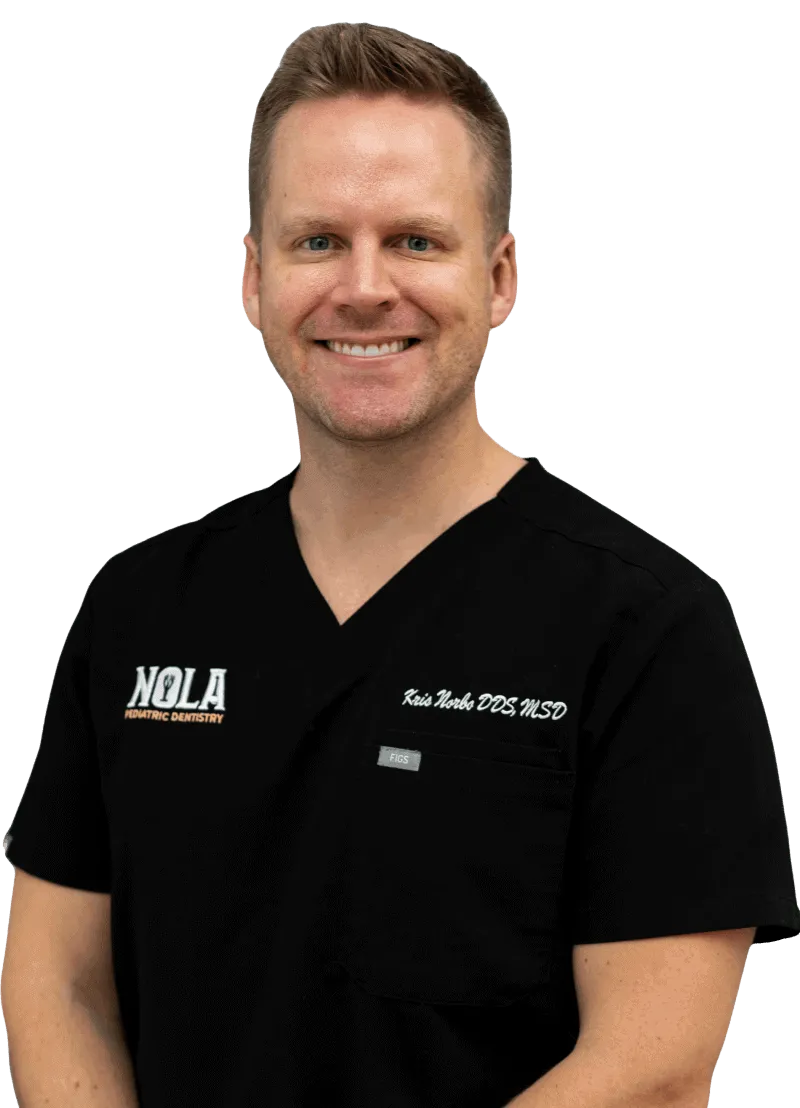
Yes, pediatric dentists can provide interceptive orthodontic care for children. Dr. Kris Norbo at NOLA Pediatric Dentistry offers this service along with other pediatric dental treatments in a kid-friendly environment in New Orleans.
What pediatric dental procedures are most common?
Common pediatric dental procedures include dental exams, cleanings, white crowns, fillings, sedation dentistry, laser frenectomy, interceptive orthodontics, root canals, extractions, professional fluorides, teeth whitening, and hospital dentistry. These treatments cater to children's oral health needs from infancy to young adulthood.
How do pediatric dentists ensure patient comfort?
Pediatric dentists ensure patient comfort through a warm, kid-friendly atmosphere, specialized training in pediatric care, use of advanced technology like laser frenectomy, and offering sedation options for anxious patients. They focus on gentle treatments, creating a positive experience for children.
What anesthesia options do pediatric dentists offer?
Pediatric dentists offer in-office sedation dentistry and hospital dentistry for anesthesia options. Sedation can help children relax during procedures, while hospital dentistry provides a safe environment for more complex treatments under general anesthesia. These options ensure comfort and safety for young patients during dental care.
Are pediatric dentistry consultations typically free?
Pediatric dentistry consultations are not typically free. However, some dental offices may offer complimentary initial consultations or accept certain insurance plans that cover the cost of the consultation. It's best to check with the specific dental practice regarding their consultation fees and insurance coverage.
How are pediatric dental emergencies handled?
In pediatric dental emergencies, NOLA Pediatric Dentistry provides prompt care. Contact us immediately for guidance and to schedule an emergency appointment. Our team is trained to handle various dental emergencies for children, ensuring their comfort and well-being.
What training do pediatric dentists have?
Pediatric dentists undergo specialized training in pediatric dental care, including laser frenectomy, interceptive orthodontics, root canals, extractions, professional fluorides, cleanings, teeth whitenings, and hospital dentistry. They are equipped to provide high-quality, safe sedation services for children needing dental treatment.
How do pediatric dentists handle cavities?
Pediatric dentists handle cavities in children by providing white crowns and fillings that match natural teeth, ensuring a beautiful smile. They also offer sedation dentistry for comfort during procedures and prioritize high-quality care for all patients.
What preventive care do pediatric dentists recommend?
Pediatric dentists recommend preventive care such as regular dental exams, cleanings, fluoride treatments, sealants, and proper oral hygiene practices like brushing and flossing. They also emphasize the importance of a balanced diet and limiting sugary snacks to maintain optimal oral health for children.
How does pediatric dentistry promote oral health?
Pediatric dentistry promotes oral health by providing specialized care for children, including preventive services like dental exams, cleanings, fluoride treatments, and education on proper oral hygiene. Additionally, pediatric dentists offer treatments such as fillings, root canals, and extractions tailored to children's unique dental needs, ensuring early intervention and maintenance of oral health from a young age.
What sedation techniques do pediatric dentists use?
Pediatric dentists use in-office sedation techniques such as nitrous oxide (laughing gas) and oral sedatives to help children relax during dental procedures. They may also offer hospital dentistry for more complex cases requiring general anesthesia in a hospital setting.
Can pediatric dentists correct bite issues?
Yes, pediatric dentists can correct bite issues through interceptive orthodontics, which addresses alignment problems early to prevent more severe issues later. This proactive approach helps guide proper jaw growth and tooth alignment in children.
How do pediatric dentists treat toothaches?
Pediatric dentists treat toothaches in children by performing dental exams, identifying the cause of the pain, and providing appropriate treatments such as fillings, root canals, or extractions. They may also offer sedation options for comfort during procedures and recommend preventive measures like fluoride treatments.
What age do children outgrow pediatric dentistry?
Children typically outgrow pediatric dentistry around the age of 18 or when they transition to an adult dentist. This transition usually occurs when the individual feels comfortable receiving dental care in a general dentistry setting rather than a pediatric-focused environment.
How does a pediatric dentist handle teething?
Pediatric dentists handle teething by providing guidance on symptoms, pain relief options, proper oral care, and monitoring tooth eruption. They may recommend teething toys, cold compresses, or over-the-counter remedies to alleviate discomfort. Regular dental check-ups help ensure healthy tooth development during this stage.
Are pediatric dentists qualified to administer anesthesia?
Pediatric dentists are qualified to administer anesthesia. They undergo specialized training to provide safe sedation services for children during dental procedures. Dentists like Dr. Kris Norbo at NOLA Pediatric Dentistry ensure the highest standards of care and safety for their young patients.