
Frequently Asked Questions
Why Do You Want to Be a Pediatric Dentist?
I am passionate about pediatric dentistry because I enjoy working with children and making a positive impact on their oral health. Building trust with young patients, creating a comfortable environment, and promoting lifelong dental habits are rewarding aspects of this specialty.
How Do Autistic Kids Go to the Dentist?
Autistic kids can go to the dentist with specialized care. Dentists experienced in treating children with autism provide a calm, sensory-friendly environment. They use visual aids, desensitization techniques, and communication tools to ensure a comfortable visit. Some dentists offer sedation options for more complex procedures.
Can Pediatric Dentists Treat Adults?
Pediatric dentists specialize in treating children, but some may also provide care for adults with special needs or developmental disabilities. However, for routine adult dental care, it's best to seek treatment from a general or family dentist who is trained to address the specific needs of adult patients.
Does My Child Need a Pediatric Dentist?
If your child has special needs or learning challenges, a pediatric dentist experienced in special needs dentistry can provide tailored care. Specialized pediatric dentists offer a comforting approach, accessible facilities, and accommodations for physical and mental disabilities. Choosing a pediatric dentist ensures your child receives the best possible dental care.
Can Autistic People Go to the Dentist?
Autistic individuals can go to the dentist with proper accommodations. Finding a dentist experienced in special needs dentistry is crucial. Communication strategies, sensory considerations, and visual aids can help create a positive dental experience for autistic patients.
What Steps Should the Dental Team Take When Working with Special Needs Patients?
When working with special needs patients, the dental team should:
1. Create a personalized care plan based on the patient's specific needs.
2. Ensure the office is fully accessible for patients with physical disabilities.
3. Offer accommodations like extra time, sensory tools, or sedation if needed.
4. Approach each patient with patience, understanding, and respect.
What Skills Do You Need to Be a Pediatric Dentist?
To be a successful pediatric dentist, you need skills in communication, patience, empathy, and the ability to work with children of all ages and backgrounds. Additionally, having a strong educational background in pediatric dentistry, a gentle touch, and the ability to create a comfortable and welcoming environment are essential skills for this profession.
Why Choose a Pediatric Dentist?
Choosing a pediatric dentist is essential for specialized care tailored to children's needs. Pediatric dentists have expertise in child development, behavior management, and treating children with special needs. They create a kid-friendly environment, use appropriate techniques, and offer preventive care to ensure optimal oral health for children.
How are pediatric dental offices designed for special needs?
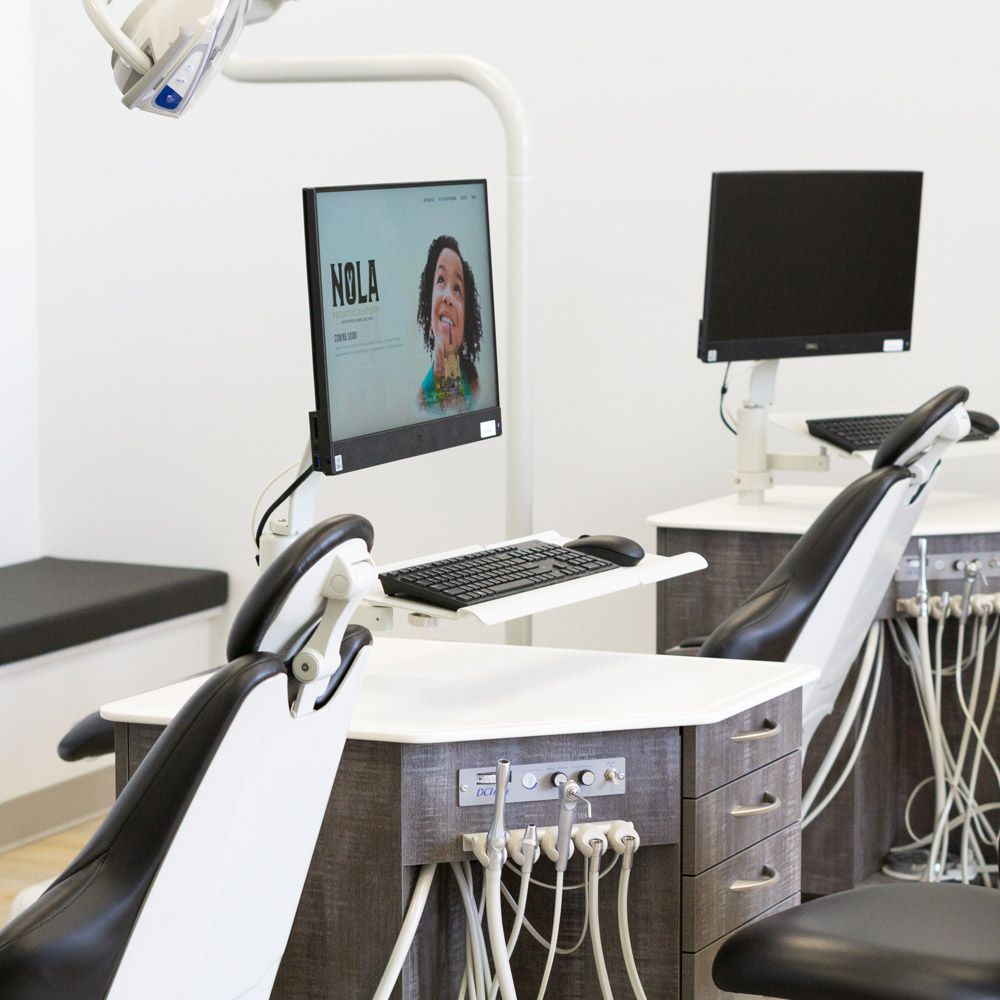
Pediatric dental offices for special needs are designed with accessibility in mind, offering accommodations like wheelchair access and mobility assistance. These offices prioritize individualized care, creating a comforting environment for patients with physical or mental disabilities. Dentists undergo specialized training to provide quality treatment and understanding to all patients, ensuring a positive experience.
What sedation methods are safe for special needs children?
For special needs children, safe sedation methods include:
1. In-office sedation dentistry
2. Oral sedation under professional supervision
3. Nitrous oxide (laughing gas) administered by trained professionals
4. General anesthesia in a hospital or outpatient setting with a pediatric anesthesiologist.
How is a special needs pediatric dental visit structured?
A special needs pediatric dental visit is structured with individualized care, accommodations for physical and mental challenges, a comforting approach, and a focus on patient needs and attitudes. The office is fully accessible, and the team provides extra assistance as needed, creating a relaxed and kid-friendly atmosphere.
What are common dental issues in children with special needs?
Common dental issues in children with special needs include:
Sensory sensitivities affecting dental exams.
Difficulty with oral hygiene routines.
Increased risk of cavities and gum disease.
Bruxism (teeth grinding) due to stress or sensory issues.
Delayed eruption of teeth or abnormal tooth development.
How do pediatric dentists accommodate sensory sensitivities?
Pediatric dentists accommodate sensory sensitivities by creating a calming environment, using gentle techniques, offering noise-canceling headphones, providing weighted blankets, utilizing dim lighting, and allowing breaks during treatment. They tailor care to each child's needs for a comfortable experience.
Are there behavior management techniques for special needs dentistry?
In special needs dentistry, behavior management techniques include positive reinforcement, desensitization, tell-show-do method, and distraction techniques. Communication strategies, such as visual aids and social stories, are also effective. Sedation dentistry may be used for more complex cases. Each approach is tailored to the individual's needs.
What additional qualifications do special needs pediatric dentists have?
Special needs pediatric dentists have additional qualifications in special needs dentistry, including training and experience in treating patients with physical, mental, or developmental challenges. They are skilled in providing individualized care, creating a comfortable environment, and offering accommodations such as accessible facilities and specialized techniques to meet the unique needs of each patient.
How do dental insurance plans cover special needs dentistry?
Dental insurance plans typically cover special needs dentistry services similarly to other dental procedures. Coverage may include exams, cleanings, fillings, and sedation. However, coverage specifics vary by plan, so it's essential to review your policy for details on copays, deductibles, and any limitations or exclusions related to special needs dental care.
What techniques help special needs kids during dental exams?
During dental exams for special needs kids, techniques such as creating a calm environment, using visual aids, providing sensory support, offering breaks, and using positive reinforcement can help ease anxiety and ensure a successful visit.
How often should special needs children see a pediatric dentist?
Special needs children should see a pediatric dentist as often as recommended by their dentist, typically every 3-6 months. Regular dental visits are crucial for monitoring oral health, addressing any issues promptly, and providing preventive care tailored to their specific needs.
What are dental care tips for parents of special needs kids?
For parents of special needs kids, dental care tips include:
1. Start early with dental visits.
2. Use visual aids to prepare for appointments.
3. Practice oral hygiene routines at home.
4. Consider sedation dentistry if needed.
5. Find a dentist experienced in special needs care.
6. Communicate openly with the dental team.
How do you find a compassionate pediatric dentist for special needs?
Finding a compassionate pediatric dentist for special needs involves researching practices with experience in special needs dentistry, reading patient testimonials, and scheduling a consultation to discuss your child's specific needs. Look for a dentist who prioritizes comfort, offers accommodations, and has a welcoming, kid-friendly environment.
Are there specific dental tools used for special needs patients?
Dental tools for special needs patients may include adapted instruments for comfort, sedation options, and communication aids. Dentists trained in special needs dentistry utilize these tools to provide safe and effective care tailored to each patient's unique needs.
What role does a dental hygienist play in special needs care?
Dental hygienists in special needs care play a crucial role in providing preventive dental care, educating patients and caregivers on oral hygiene practices, and assisting in managing oral health issues specific to individuals with special needs. They work closely with dentists to ensure personalized and compassionate dental treatment for each patient.
Do pediatric dentists receive special needs communication training?
Pediatric dentists often receive special needs communication training to effectively interact with patients who have diverse needs. This training helps dentists understand how to communicate, adapt treatment approaches, and create a comfortable environment for patients with special needs. By undergoing this training, pediatric dentists can provide quality care to all children, including those with special requirements.
How does a dentist create a positive experience for autistic children?
Dentists create a positive experience for autistic children by offering a calm environment, using visual aids, providing clear communication, and offering sensory accommodations. They tailor treatment plans to the child's needs, prioritize patience, and establish trust through consistent routines and positive reinforcement.
What dietary advice do pediatric dentists give for special needs kids?
Pediatric dentists often recommend a diet low in sugary foods and beverages to prevent cavities. They may suggest foods rich in calcium and vitamin D for strong teeth and bones. Encouraging water consumption and limiting sticky snacks can also benefit oral health. Regular dental visits are crucial for monitoring dental health in special needs children.
Are there any pediatric dentistry scholarships for special needs care?
There are pediatric dentistry scholarships available for special needs care, such as the AAPD Foundation's Pediatric Dentistry Scholarship Program. This program aims to support dental students interested in specializing in pediatric dentistry, including those focusing on special needs patients. Additionally, local dental associations and organizations may offer specific scholarships for special needs dentistry.
What emergency procedures exist for special needs pediatric dentistry?
In special needs pediatric dentistry, emergency procedures may include:
1. Immediate access to medical history and care plans.
2. Communication strategies tailored to the child's needs.
3. Coordination with medical professionals for specialized care.
4. Sedation options for comfort during emergencies.
5. Accessibility accommodations for swift assistance.
How can pediatric dentists ease dental anxiety in special needs patients?
Pediatric dentists can ease dental anxiety in special needs patients by creating a calming environment, offering sedation options, using gentle communication, providing visual aids, and allowing breaks during treatment. Building trust, establishing routines, and incorporating positive reinforcement techniques also help alleviate anxiety in these patients.
What is the protocol for a special needs childs first dental visit?
During a special needs child's first dental visit, the protocol typically involves creating a comfortable and accommodating environment. This may include a pre-visit consultation, allowing the child to explore the office, using visual aids, and establishing a communication plan. The dentist will focus on building trust and ensuring a positive experience.
How does a pediatric dentists approach differ with special needs patients?
Pediatric dentists approach special needs patients with individualized care, considering specific needs and attitudes. They provide accessible offices, accommodations for physical disabilities, and understanding for mental challenges. Dr. Kris at NOLA Pediatric Dentistry offers specialized training and experience in special needs dentistry, ensuring quality treatment for all patients.