



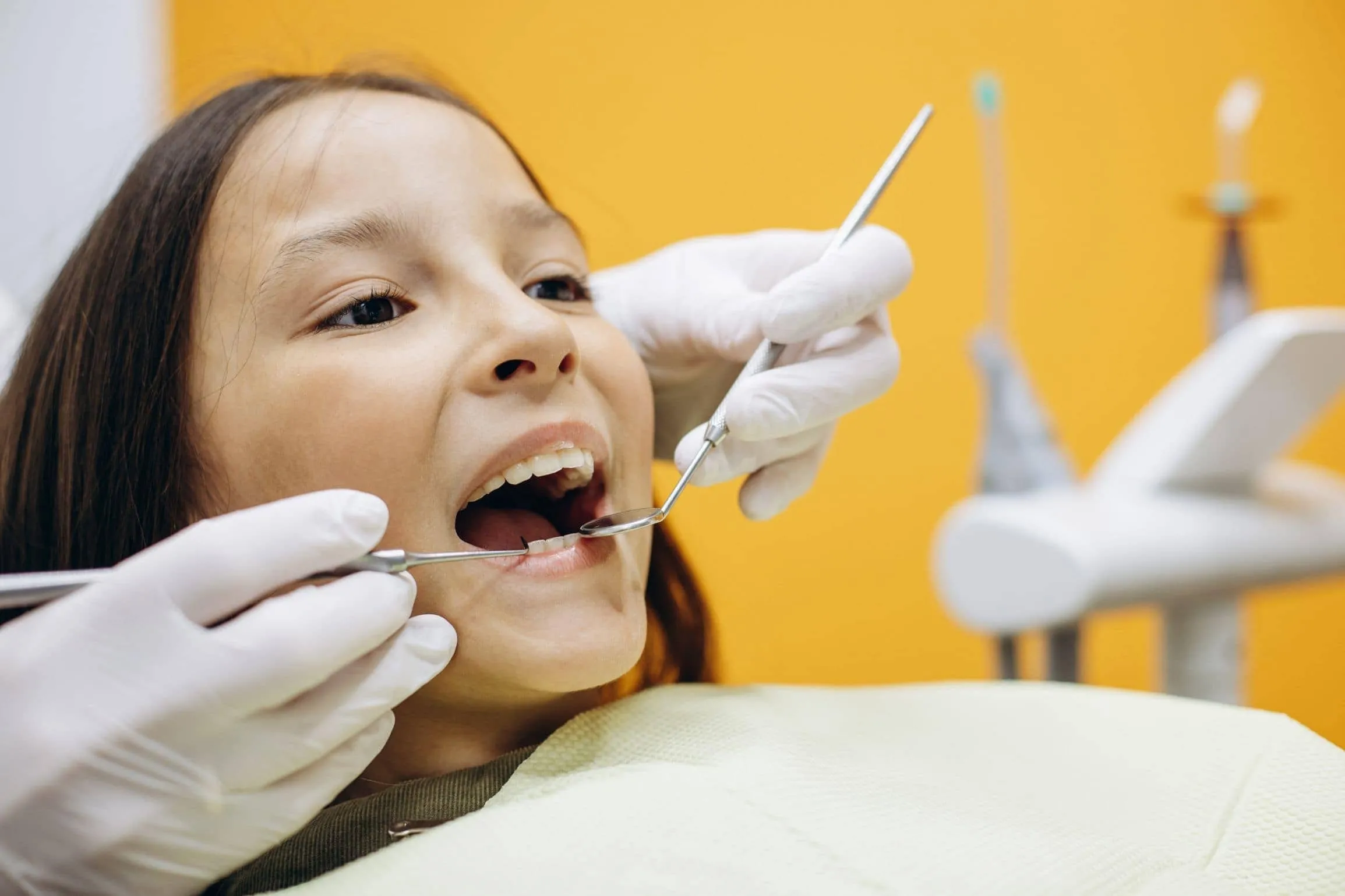
Kids are naturally active and adventurous—and with that comes the occasional accident. One of the most common dental emergencies parents face is a chipped tooth. Whether it happens from a fall on the playground, a sports injury, or simply biting into something hard, a chipped tooth can be alarming.
Fortunately, chipped teeth in children are treatable, and outcomes are usually very good when addressed quickly and appropriately. Knowing how to respond in the moment can make a big difference in protecting your child’s oral health and easing their discomfort.
Here’s what New Orleans parents should know about handling a chipped tooth—and how to keep your child calm and smiling through it all.
Why Children Are Prone to Chipped Teeth
Children’s teeth—especially baby teeth—are smaller and thinner than adult teeth, making them more vulnerable to damage. As children grow, they also become more active and independent, often engaging in high-energy play or sports without fully understanding how to protect themselves from injury.
In addition to falls and accidents, other causes of chipped teeth in children include:
- Biting into hard foods like ice, popcorn kernels, or candy
- Clenching or grinding teeth (bruxism)
- Using teeth to open packages or hold objects
- Decay that weakens the tooth’s structure
Because children’s mouths are still developing, even minor damage should be evaluated to ensure it doesn’t affect surrounding teeth or long-term alignment.
Step-by-Step Guide: What to Do When Your Child Chips a Tooth
Accidents happen fast—but your response can be calm and confident when you know what steps to take. Here’s a simple guide for managing a chipped tooth in the moment:
1. Stay Calm and Reassure Your Child
Children take their emotional cues from you. If you stay calm, it helps them feel safe. Offer reassurance that everything will be okay and that the dentist will know exactly how to fix it.
2. Check for Bleeding or Swelling
Gently rinse your child’s mouth with warm water and look for any bleeding. If bleeding is present, apply gentle pressure with a clean gauze or cloth. If there’s swelling, a cold compress on the outside of the cheek can help reduce inflammation and pain.
3. Save Any Tooth Fragments (If Possible)
If you can find the broken piece of the tooth, place it in a small container with milk or saliva. In some cases, the dentist may be able to bond the fragment back onto the tooth.
4. Avoid Using the Injured Tooth
Encourage your child to avoid chewing on that side of the mouth until they’ve been evaluated. Stick to soft foods and room-temperature drinks to avoid triggering sensitivity or pain.
5. Call Your Pediatric Dentist
Even if the chip seems minor, it’s important to have the tooth examined. There may be hidden damage or increased sensitivity that requires treatment. The dentist will assess whether the chip is cosmetic, structural, or affecting the nerve of the tooth.
How Dentists Treat Chipped Teeth in Children
Treatment for a chipped tooth depends on how severe the damage is, whether it involves a baby or permanent tooth, and whether the tooth’s root or nerve is affected.
Common treatments include:
- Dental bonding — A tooth-colored resin is applied and shaped to restore the tooth’s appearance and function
- Smoothing — For small chips, the rough edge may simply be smoothed to prevent irritation
- Fillings or crowns — Larger fractures may require more extensive restoration, especially if the pulp (nerve) is exposed
- Root canal therapy — If the nerve is affected, treatment may be needed to preserve the tooth
- Tooth extraction — In rare cases, if the damage is severe and involves a baby tooth near the time it would naturally fall out, removal may be the best option
The goal of treatment is always to preserve your child’s natural tooth structure, minimize pain, and protect proper development.
When Is a Chipped Tooth an Emergency?
While many chipped teeth don’t require immediate treatment, there are situations where prompt dental attention is critical:
- The tooth is bleeding from the center (pulp exposure)
- There is significant pain or sensitivity
- The tooth is loose or feels unstable
- The chip is sharp and cutting the inside of the cheek or tongue
- Your child also experienced a blow to the head or jaw
If any of these apply, seek urgent dental care and, if necessary, medical attention for other injuries.
Preventing Chipped Teeth in the Future
You can’t prevent every accident, but there are steps parents can take to lower the risk of future injuries:
- Use mouthguards — A properly fitted sports mouthguard protects teeth during high-impact activities like football, basketball, or gymnastics
- Limit hard foods — Avoid hard candies, ice cubes, and anything that could crack enamel
- Address bruxism — If your child grinds their teeth, your dentist may recommend a nightguard or further evaluation
- Model safe habits — Remind children not to use their teeth as tools and to be cautious during play
Educating your child and establishing these habits early supports a lifetime of safer smiles.
Gentle, Kid-Friendly Emergency Dental Care in New Orleans
At NOLA Pediatric Dentistry, we understand that dental emergencies like chipped teeth can be stressful for both kids and parents. Our team provides calm, compassionate care when you need it most—focused on restoring your child’s smile and relieving their discomfort as quickly as possible.
Families across New Orleans and Madisonville trust us for:
- Prompt evaluations for dental injuries
- Tooth-colored bonding and conservative restorations
- Guidance on when to monitor vs. treat
- Kid-friendly support to help children feel safe and at ease
- Emergency scheduling for urgent needs
If your child has chipped a tooth, don’t wait. Contact NOLA Pediatric Dentistry today to schedule a visit—we’re here to help your child smile with confidence again.