



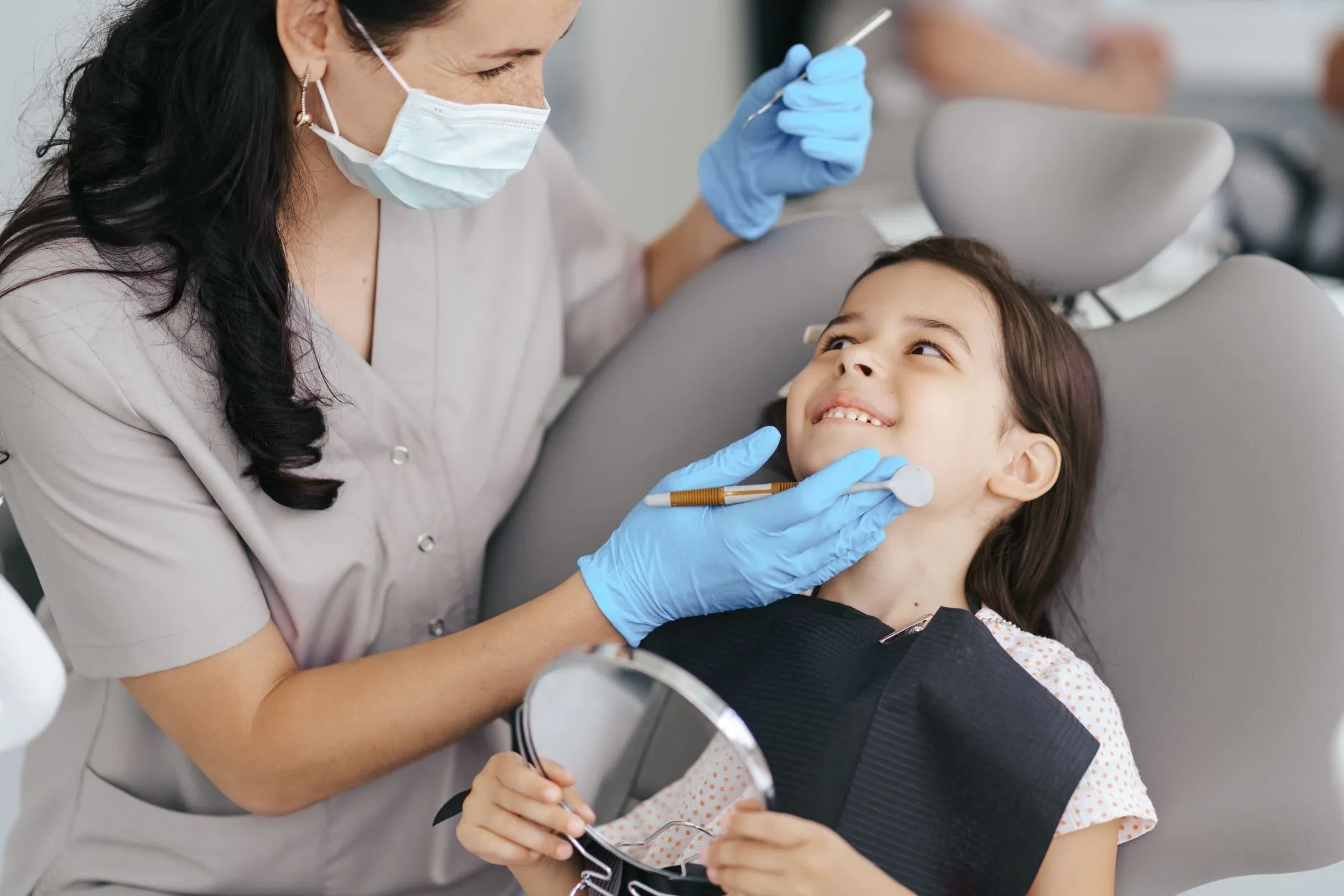
As a parent, you want to protect your child from discomfort and health problems. But when it comes to their teeth, cavities can sneak up without obvious warning signs. Knowing what to look for helps you catch tooth decay early, when treatment is simplest and most comfortable for your little one.
Every day, pediatric dental teams see families who wonder whether their child has a cavity or if that odd spot on a tooth means trouble. A pediatric dentist focuses exclusively on young patients, from infants to young adults, which means they understand exactly how cavities develop in growing mouths and what signs your child has a cavity that parents should watch for at home.
What Is a Cavity in a Child’s Tooth?
A cavity is a permanently damaged area in tooth enamel caused by acid-producing bacteria that eat through the tooth’s hard outer surface, eventually creating a hole. In children, thinner enamel means cavities form faster than in adults, making early detection critical. A pediatric dentist monitors for these early signs starting at a child’s very first visit.
Here’s something many parents don’t realize: once a cavity starts in a child’s tooth, the clock is ticking. That thinner enamel offers less resistance, so decay can reach the inner layers of the tooth more quickly than most people expect.
Why does this matter for baby teeth that will fall out anyway? Untreated decay in primary teeth can damage the permanent teeth developing underneath. Infection can spread to surrounding tissue, too.
Losing a baby tooth too early can also cause spacing problems when adult teeth come in. That’s why pediatric dentists monitor for early signs of decay starting at the very first visit.
Tooth decay remains one of the most common chronic childhood diseases. According to the Centers for Disease Control and Prevention, cavities affect a significant number of children nationwide, making them one of the most prevalent childhood conditions. The good news? Cavities are preventable, and when caught early, they’re easily treated.
How Cavities Form in Children’s Teeth
Cavities form when bacteria in your child’s mouth feed on sugars from food and drinks, producing acid that erodes tooth enamel. Over time, this acid creates soft spots that break down into actual holes. Understanding how this process works puts you in a better position to prevent it.
These bacteria live naturally in everyone’s mouth. When your child eats sugary or starchy foods, the bacteria feed on particles left behind on teeth. As a byproduct, the acid they release attacks enamel, weakening it bit by bit. Without intervention, those weakened areas collapse into cavities. The entire process can happen faster in young patients because their enamel hasn’t fully matured, which is one reason pediatric dentists emphasize prevention so strongly during early checkups.
Several factors speed up this process in children:
Frequent Snacking and Sticky Foods
Frequent snacking and sticky foods keep teeth bathed in sugars throughout the day, giving bacteria constant fuel. Fruit snacks, dried fruit, and chewy candy are some of the worst offenders because they cling to tooth surfaces far longer than other foods.
Poor Brushing Habits
Poor brushing habits allow plaque to build up, especially in hard-to-reach spots between teeth and along the gumline. Most kids need help brushing until around age seven or eight.
Mouth Breathing
Mouth breathing reduces saliva flow, and saliva naturally washes away food particles and neutralizes acid. Kids who breathe through their mouths, whether from allergies, habit, or other causes, lose that natural protection.
Sugary Drinks
Sugary drinks including juice, sports drinks, and soda coat teeth in sugar. Sipping these throughout the day is particularly harmful because it creates a near-constant acid bath on enamel.
Pediatric dentists evaluate these risk factors during checkups and tailor prevention advice to your child’s specific habits and needs.
7 Warning Signs Your Child May Have a Cavity
Cavities don’t always announce themselves with obvious symptoms. Early decay often produces no symptoms at all, which is why regular dental checkups matter so much. The most common signs include tooth tenderness when chewing, sensitivity to hot or cold, visible holes or spots, discoloration, persistent bad breath, gum swelling, and changes in eating or sleeping habits.
Between visits, watch for these warning signs:
- Toothaches or soreness when chewing
- Sensitivity to temperature or sweets
- Visible holes or pits in the teeth
- Discoloration or spots on tooth surfaces
- Persistent bad breath
- Swelling or redness around a tooth
- Changes in eating or sleeping behavior
If you notice any of them, a pediatric dentist can evaluate your child’s teeth quickly and comfortably.
Toothaches or Soreness When Chewing
If your child says it hurts to bite down or chew food, pay attention. They might avoid eating on one side of their mouth or refuse foods they normally enjoy. Even occasional tenderness during meals can signal a cavity.
Sensitivity to Temperature or Sweets
Watch for wincing when drinking cold water or eating ice cream. Sensitivity to hot, cold, or sweet foods often indicates that decay has penetrated the enamel, exposing more sensitive layers underneath. This type of reaction tends to worsen over time, so it’s worth noting even if it seems minor.
Visible Holes or Pits in the Teeth
Sometimes you can actually spot a cavity. Check your child’s teeth regularly, especially the chewing surfaces of back teeth. Small holes, pits, or rough areas in the tooth surface are worth a closer look from a pediatric dentist.
Discoloration or Unusual Spots
White, brown, or dark spots on teeth deserve attention. White spots often indicate early demineralization, the first stage of decay. Brown or black spots suggest more advanced breakdown. Not every spot is a cavity, but a professional exam can tell you for sure.
Persistent Bad Breath That Won’t Improve
Everyone gets bad breath occasionally. But chronic bad breath that doesn’t improve with brushing could point to bacteria from active decay. This is one of the less obvious signs parents tend to overlook.
Swelling or Redness Around a Tooth
Redness, swelling, or tenderness around a specific tooth or in the gum area may indicate that decay has progressed to the point of infection. This warrants a prompt dental visit.
Changes in Eating or Sleeping Habits
Young patients who can’t put words to what’s bothering them may show it through behavior instead. Fussiness during meals, refusing certain foods, or trouble sleeping can all point to tooth trouble. Toddlers in particular may simply become irritable without being able to explain why.
Cavity vs. Normal Tooth Sensitivity: How to Tell the Difference
Not every twinge means your child has a cavity. The key differences between normal sensitivity and a possible cavity involve location, duration, and visible changes to the tooth.
| Characteristic | Normal Sensitivity | Possible Cavity |
|---|---|---|
| Location | Affects multiple teeth evenly | Localized to one specific tooth |
| Duration | Brief, goes away quickly | Persistent or recurring |
| Trigger | Cold foods or drinks | Hot, cold, sweet, or pressure |
| Appearance | Teeth look normal | Visible spots, holes, or discoloration |
| Pattern | Comes and goes | Gets progressively worse |
Normal sensitivity often happens when kids eat very cold foods or during tooth eruption. It’s usually temporary and affects several teeth at once. Cavity-related sensitivity, on the other hand, tends to be persistent and focused on one tooth. Your child might point to the exact spot that bothers them. Staining from food like berries sits on the surface and can be brushed away, while cavity discoloration is part of the tooth structure itself.
When you’re unsure, a professional dental exam gives you a definitive answer. A pediatric dental specialist can use gentle examination techniques and, when needed, digital X-rays to see what’s happening beneath the surface.
What Happens If a Cavity Goes Untreated in a Child?
Untreated cavities in children only get worse over time, never better. Without treatment, small problems become bigger ones. The good news is that catching decay early keeps treatment simple and comfortable.
Small cavities grow larger. What starts as a tiny spot of decay spreads through the tooth. A simple filling becomes a crown, and a crown can eventually require a root canal. We see this progression regularly, and the difference between a quick filling and a multi-visit treatment plan often comes down to timing.
Decay can also move to neighboring teeth or travel deeper into the jawbone, causing abscesses. If infection leads to early tooth loss, spacing problems often follow when permanent teeth try to come in. A pediatric dentist may recommend space maintainers to hold the gap until the adult tooth is ready. In some cases, what could have been a quick filling may require in-office sedation dentistry to complete comfortably, or even hospital-based dental care for more advanced situations.
Beyond the physical consequences, untreated decay can affect a child’s ability to eat, sleep, and concentrate at school. Chronic tooth discomfort is distracting, and kids who deal with it often struggle to focus during the day.
Early treatment is simpler, faster, and more comfortable for your child. It’s also easier on your schedule and wallet. That’s the real takeaway here.
When Should You Take Your Child to the Dentist for a Possible Cavity?
Don’t wait for a dental emergency. Here’s when to schedule an appointment:
- Persistent tooth soreness that lasts more than a day or two
- Visible discoloration, spots, or holes on any tooth
- Sensitivity that doesn’t go away after a few days
- Swelling or redness around teeth or gums
- Changes in eating habits that suggest mouth tenderness
Beyond addressing specific concerns, regular checkups every six months help catch cavities before symptoms appear. A pediatric dentist can spot early decay that you’d never notice at home. During these visits, your child gets a thorough cleaning and exam, and the dentist walks you through anything they find so you know what to expect with next steps.
Some kids benefit from more frequent visits. Those with high-sugar diets, patients who struggle with brushing, or children with special needs may need checkups every three to four months. Your pediatric dentist can help you determine the right schedule based on individual risk factors.
Professional fluoride treatments during these visits strengthen enamel and help prevent cavities from forming in the first place. Professional cleanings remove plaque buildup that regular brushing misses. And dental sealants provide an extra layer of protection on the chewing surfaces of back teeth, where most childhood cavities develop.
Frequently Asked Questions About Cavities in Children
Can a cavity in a baby tooth heal on its own?
Once a cavity forms, it can’t heal on its own. The damaged enamel is gone permanently. Very early-stage demineralization, those white spots that appear before an actual hole develops, can sometimes be reversed with fluoride treatments, improved brushing, and dietary changes. That’s one reason regular checkups are so valuable: a pediatric dentist can catch these early warning signs and act on them.
Do cavities in baby teeth need to be filled?
Yes. Even though baby teeth eventually fall out, untreated decay causes discomfort and can lead to infection. Baby teeth also hold space for permanent teeth and help kids chew and speak properly. Filling a cavity in a primary tooth protects your child’s comfort and their developing smile.
How can I prevent cavities in my child’s teeth?
Prevention starts with daily habits. Brush your child’s teeth twice a day with fluoride toothpaste, and start flossing as soon as two teeth touch. Limiting sugary snacks and drinks between meals reduces acid attacks on enamel throughout the day. Offer water instead of juice whenever possible. Pair those home habits with professional care by scheduling pediatric dental checkups every six months.
At what age do kids start getting cavities?
Cavities can form as soon as the first tooth erupts, which typically happens around six months of age. The American Academy of Pediatric Dentistry recommends that children see a dentist by their first birthday. Early visits establish good habits and allow a pediatric dentist to monitor for early signs of decay.
Are white spots on my child’s teeth cavities?
White spots can be early warning signs of demineralization, the first stage of cavity formation. They indicate areas where minerals have leached from the enamel due to acid exposure. At this stage, the damage may still be reversible with proper care. White spots can also result from other causes, including fluorosis or developmental factors. A pediatric dental exam can determine the cause and the right course of action.